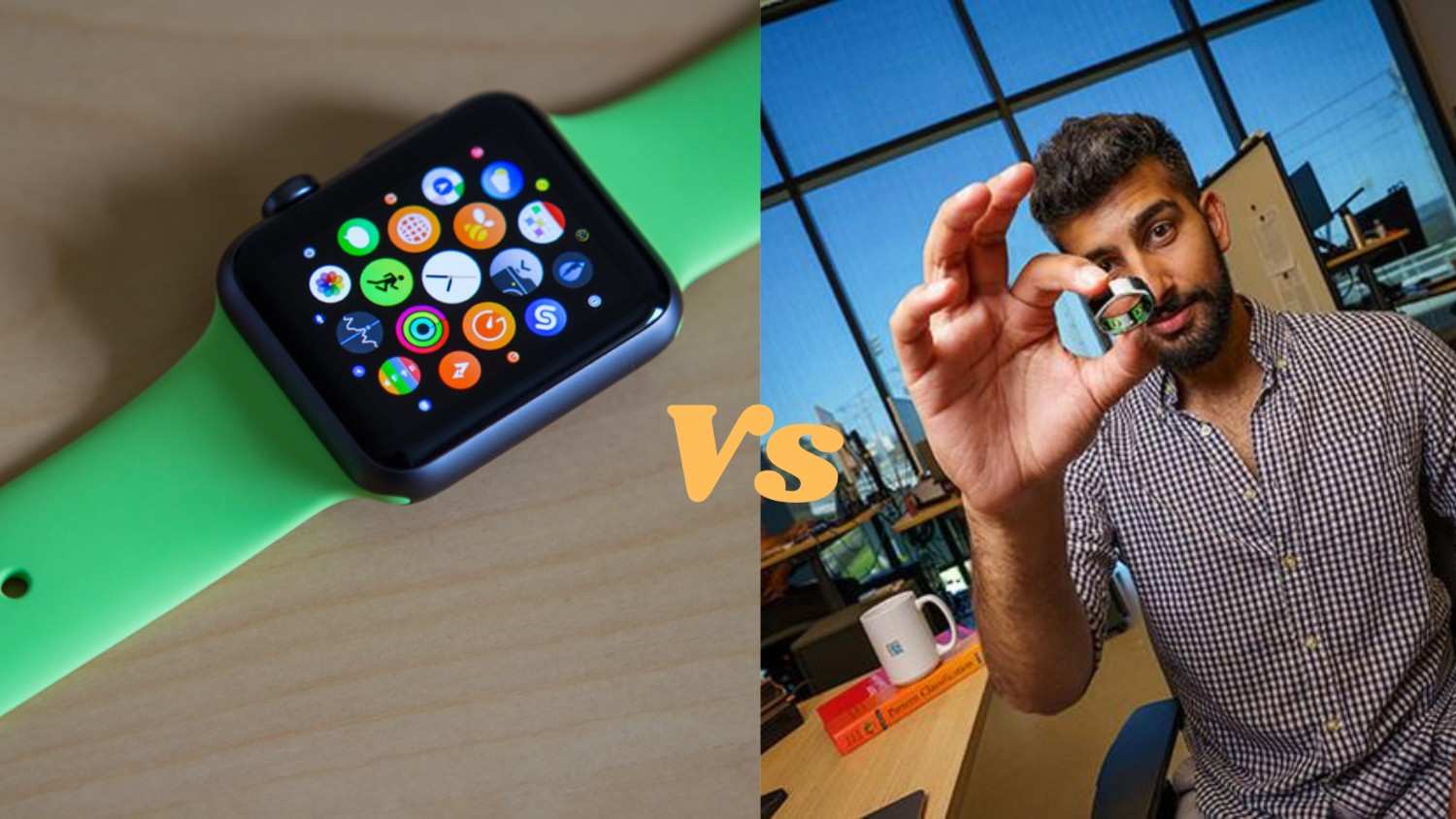
For the past ten years, my Apple Watch has been a constant companion, faithfully tracking my sleep since 2019. Meanwhile, I’ve noticed a growing trend among friends, family, and colleagues who are swapping their smartwatches for sleek smart rings like the Oura Ring, Samsung Galaxy Ring, and Ultrahuman Ring Air. Curious, I tested these rings myself, but every time, I found myself returning to my trusty Apple Watch Ultra—yes, the bulkiest one in the lineup.
Interestingly, I hadn’t worn a watch for years before 2015, relying solely on my phone for timekeeping. But since adopting the Apple Watch Ultra two years ago, it’s become my go-to health tracker. So, why do I keep choosing the Apple Watch over the discreet, tech-packed Oura Ring? Here are my three key reasons, along with one notable drawback.
Apple Watch vs. Oura Ring: 3 Reasons I Prefer the Watch
1. Unmatched Comfort for All-Day Wear
Even though the Apple Watch Ultra is heavier than most smartwatches, I’ve grown so used to it that I barely notice it on my wrist—whether I’m working, exercising, or sleeping. The same can’t be said for smart rings. The Oura Ring (both Gen 3 and 4) and Ultrahuman Ring Air felt bulky and intrusive, especially during sleep. While the Samsung Galaxy Ring was slightly less noticeable due to its slimmer design, it still didn’t compare to the comfort of my simple wedding band.
I wore each smart ring for weeks, hoping to adjust, but they always felt distracting. Taking them off after testing was a relief, while my Apple Watch feels like an extension of myself.
2. Instant Access to Information and Actions
One major advantage of the Apple Watch is its screen, which delivers glanceable information and quick actions that save me from constantly reaching for my phone. I’ve customized my Apple Watch Ultra with the Modular Ultra watch face, packing it with eight complications—time, date, weather, battery, activity, workout, mindfulness, and hydration—plus a custom Action Button Shortcut that pairs heart rate tracking with my Supernatural workout app on Meta Quest.
The watch also filters notifications so only the most critical ones reach my wrist, ensuring I never miss something important. Unlike smart rings, which lack displays and focus solely on tracking, the Apple Watch is a versatile tool that does far more than monitor health—it’s a productivity hub.
3. Less Stress from Overzealous Alerts
Smart rings like the Oura Ring excel at detailed sleep and stress tracking, often providing metrics like sleep scores or stress levels. But in practice, their constant alerts about insufficient sleep or high stress can feel overwhelming rather than helpful. For example, after a night of decent sleep followed by a shorter one, the Oura Ring’s app would bombard me with red flags urging me to fix my sleep schedule. This often left me second-guessing how I felt, even when I was fine.
The Apple Watch, by contrast, tracks my health metrics without bombarding me with anxiety-inducing notifications. It logs data like heart rate and activity in the background, letting me focus on my day without feeling nagged.
The Drawback: Limited Actionable Insights
Despite its strengths, the Apple Watch falls short in one area where smart rings shine: providing actionable health insights. For instance, the Samsung Galaxy Ring once pointed out that my low “Energy” score was linked to below-average cardio activity the previous day—a clear, useful tip that aligned with how I felt. The Oura Ring similarly offers detailed sleep and readiness scores that guide users toward better habits.
The Apple Watch’s Health app tracks trends like steps, exercise minutes, and heart rate, but it doesn’t synthesize this data into actionable recommendations or scores. If Apple took a cue from smart rings and added more personalized coaching, it could elevate the watch’s utility even further for long-time users like me.
Why I Returned to the Apple Watch After a Break
Before the Apple Watch launched in 2015, I hadn’t worn a watch for four years, preferring my phone for timekeeping. But the Apple Watch changed everything, and after a decade of use, it’s become indispensable. The Ultra model, despite its size, feels perfect now—blending comfort, functionality, and reliability in a way that smart rings just can’t match for me.
Comparison Box: Apple Watch vs. Oura Ring
Feature Apple Watch Oura Ring Display Full-color touchscreen with complications No display Comfort Comfortable for all-day and sleep wear Bulky, less comfortable for sleep Health Tracking Tracks activity, heart rate, sleep Detailed sleep and stress tracking Notifications Customizable, glanceable alerts None (app-based insights only) Actionable Insights Limited, trend-focused Detailed scores and recommendations Battery Life 1–2 days (Ultra: up to 36 hours) Up to 7 days
Final Thoughts
While smart rings like the Oura Ring offer impressive health tracking in a compact form, they don’t suit my lifestyle as well as the Apple Watch. Its comfort, versatility, and ability to keep me connected without overwhelming me make it my top choice. If Apple could borrow the smart rings’ knack for actionable insights, it would be even closer to perfection. For now, I’ll keep my Apple Watch Ultra on my wrist—and the rings in their boxes.